

IPPNW’s Campaign to Prevent Armed Violence
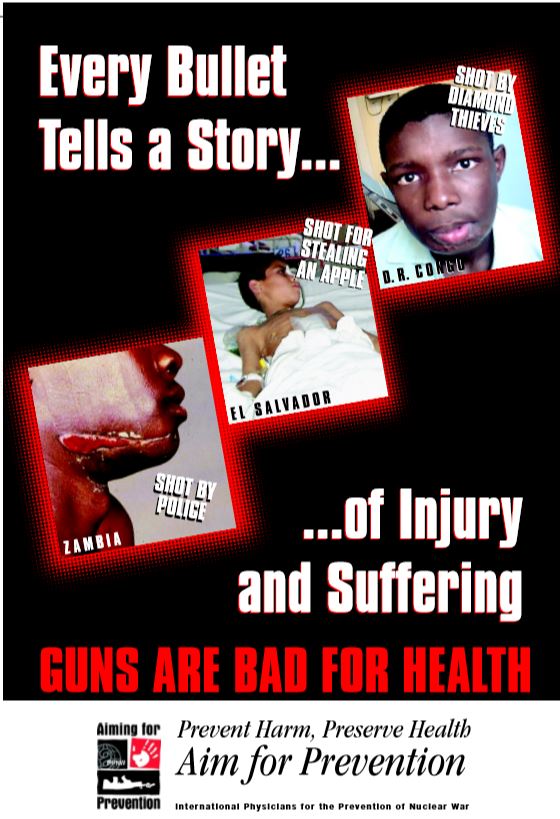
IPPNW members are making the case worldwide that “Armed violence is bad for health.” IPPNW’s Aiming for Prevention campaign mobilizes the unique expertise and authority of physicians and public health professionals to research the devastating human impact of armed violence, educate health professionals and other key stakeholders, collaborate with other institutions engaged in evidence-based approaches, and advocate for health-promoting policies. We focus on a public health approach and the human face of armed violence and the enormous costs to individuals, families, communities, and economies.
Aiming for Prevention links IPPNW affiliates and enables them to share best practices and research, collaborate on projects, and enhance their voices. We support affiliates through program development, communications, campaign materials, technical assistance, training, and other resource.
 Selected Aiming for Prevention activities, with links to more details:
- Violent Injury research – Affiliate research documenting the effects of armed violence.
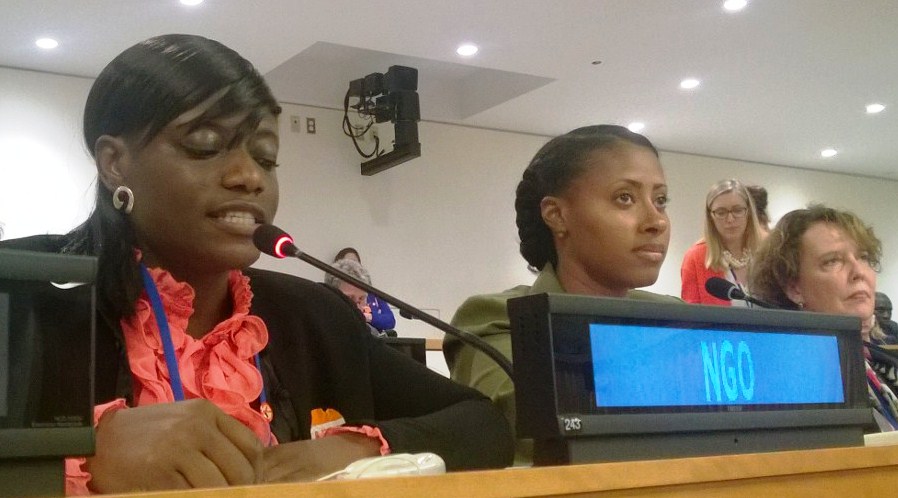
- Policy engagement and education – Bringing health expertise on armed violence to policymakers at United Nations meetings on disarmament.
- One Bullet Stories – Illuminating the human face of suffering in case studies from the field.
- International health conferences – Presenting on armed violence as a public health crisis.
- Medical Voices Against Violence – Describing why IPPNW members work to prevent violence.
- International Collaborations – Working with international health organizations and disarmament networks.